The long-standing relationship between the S&P 500 and the so-called "Magnificent Seven" tech stocks is showing signs of fracturing, potentially signalling a new era for the market and breathing life into previously struggling tech shares.
For the better part of three years, the S&P 500 has mirrored the performance of tech behemoths. However, recent data indicates a decoupling, with the correlation between an index tracking the "Magnificent Seven" and the equal-weighted S&P 500 turning negative on February 23rd. This divergence suggests the tech giants are no longer dictating the overall market’s direction, a trend exacerbated by geopolitical tensions stemming from the war in Iran and the subsequent surge in oil prices.
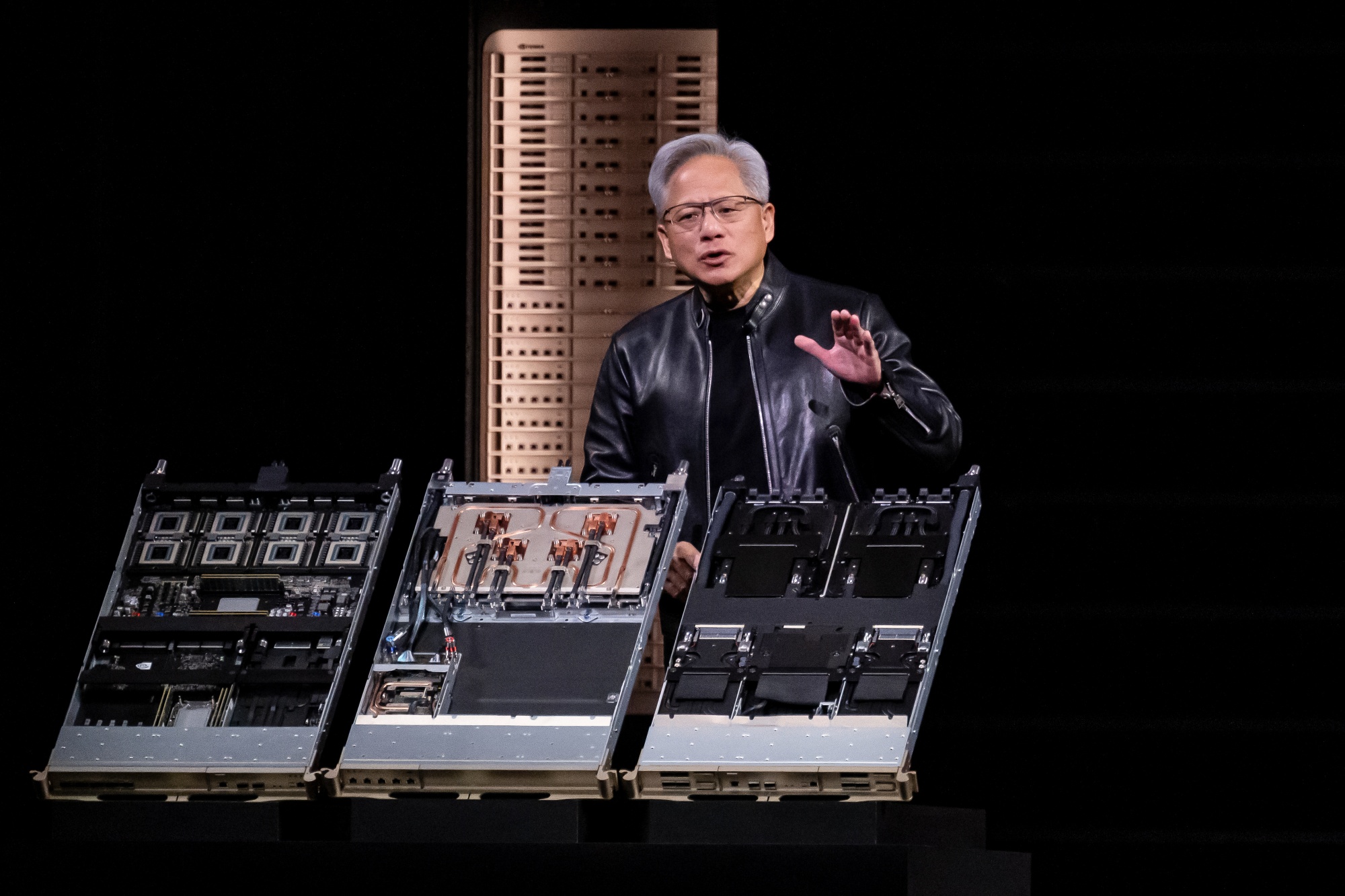
Daniel Newman, CEO of the Futurum Group, commented on the rapid pace of change in the tech landscape, stating, "We’ve never had a tech cycle move this quickly. We just don’t know what will come next."


A similar, yet less pronounced, negative correlation occurred in the first quarter of 2023. Driven by the artificial intelligence frenzy ignited by OpenAI’s ChatGPT launch, the "Magnificent Seven"—Nvidia, Apple, Microsoft, Alphabet, Amazon, Meta, and Tesla—soared ahead. During this period, the Magnificent Seven index surged by 45%, while the broader S&P 500 lagged behind with a 7% gain. The enthusiasm eventually spilled over, contributing to the S&P 500’s impressive 24% rise in 2023 and a further 23% rally in 2024.
This time, the breakdown follows a period where the "Magnificent Seven" underperformed the broader market due to concerns about substantial investments in AI. From the end of October through February, the Bloomberg Magnificent 7 index experienced a 7.3% decline, while the S&P 500 Equal Weighted Index climbed 8.9%, fuelled by cyclical sectors such as energy and materials.
In the weeks since the correlation turned negative, the positions have reversed. While the Big Tech group entered a correction phase this month, their decline has been less severe than that of the broader benchmark.
The current market landscape differs significantly from that of three years ago, with the war in Iran adding a layer of uncertainty. Furthermore, the performance of Big Tech has been hampered by pre-existing concerns, specifically the substantial expenditure on AI and the disruptive impact of this emerging technology.