Precious metals are seeing surging demand as investors seek alternative assets. While gold has long been a favourite, silver, platinum, and palladium are rapidly gaining traction as valuable additions to a diversified portfolio. Here’s a practical guide to understanding and investing in these metals.
Precious metals offer a unique advantage: they react differently to economic conditions compared to traditional assets like stocks and bonds. This "alternative asset" status provides diversification, but it’s crucial to understand the associated risks before diving in.
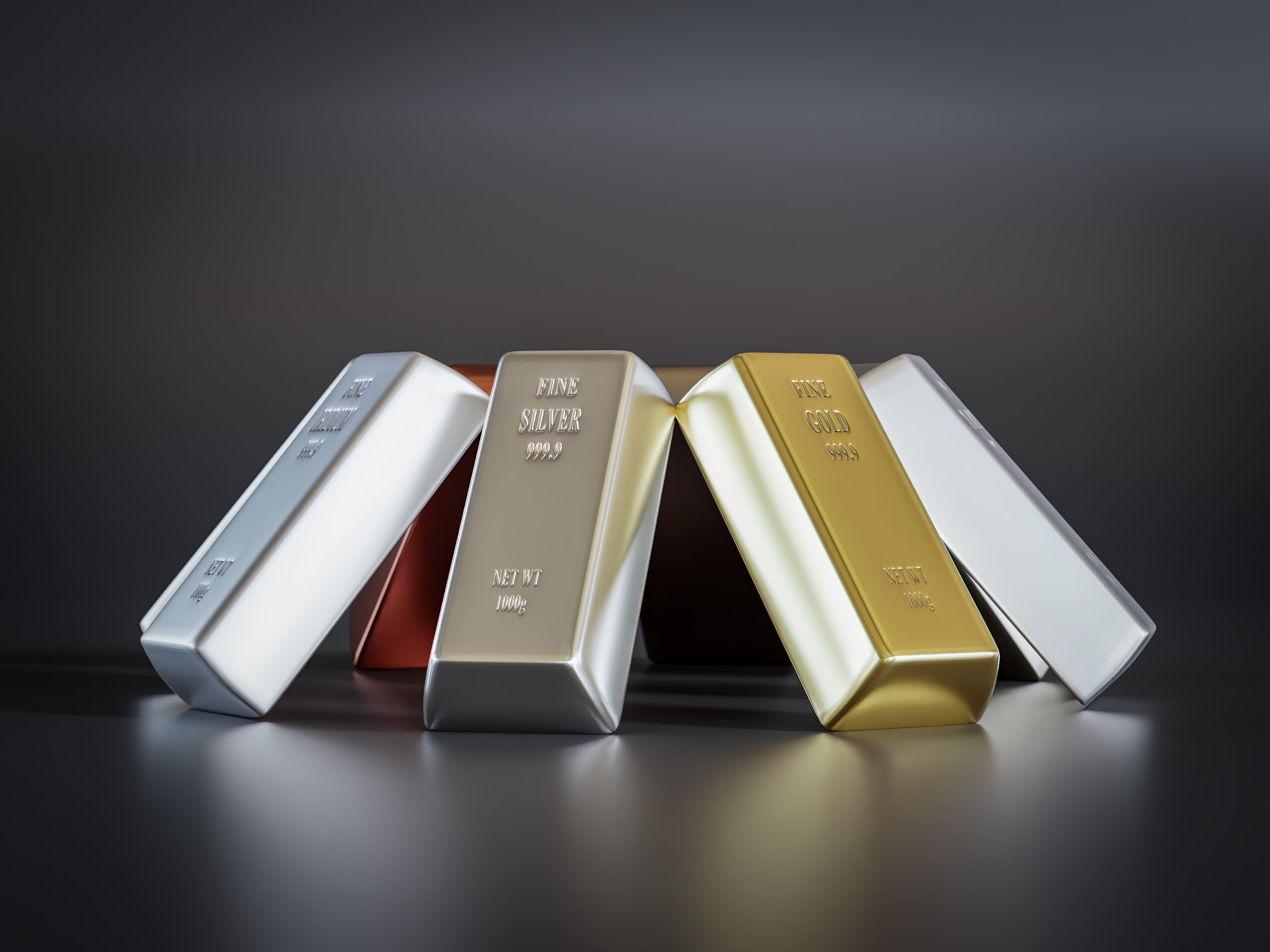
Let’s examine the uses, potential growth factors, and investment rationales for silver, platinum, and palladium to help you make informed decisions.


Silver: Investment and Industry
Silver’s appeal stems from its dual role as both an investment and an industrial material. As an investment, it’s available in physical forms like coins, jewellery, and decorative items. Industrially, silver is essential in manufacturing electronics, automotive components, medical equipment, and solar panels.
Platinum: Rarity and Catalytic Power
Platinum, rarer than both gold and silver, is prized for its use in jewellery. More importantly, it plays a vital role in producing catalytic converters, which are critical for reducing harmful emissions from petrol vehicles.
Palladium: The Platinum Group’s Rising Star
Palladium, a member of the platinum-group metals (PGM), boasts even greater scarcity than platinum. While chemically similar, palladium is lighter and more heat-resistant. Like platinum, it finds applications in jewellery and various industries. Automakers frequently use both platinum and palladium in catalytic converters.
Digital vs. Physical: Choosing Your Investment Route
Investing in these precious metals can take digital or physical forms.
Digital options include:
- Exchange-Traded Funds (ETFs)
- Futures contracts
- Mining stocks
Physical options involve purchasing bullion in the form of bars and coins, or acquiring jewellery. However, physical ownership necessitates secure storage, security measures, and potentially insurance.
Aligning Investments with Your Goals
Your investment goals should dictate your approach to precious metals, influencing key decisions such as:
- Investment type (digital vs. physical)
- Allocation size
- Investment timeframe
Two common goals are portfolio diversification and short-term gains.
Long-Term Diversification and Inflation Hedging
Long-term investors often seek precious metals for diversification and as a hedge against inflation. Silver, platinum, and palladium exhibit low correlation with stocks and bonds. This means they can increase in value when stock prices decline, particularly during inflationary periods. This offsetting behaviour, when implemented in moderation, can help stabilise overall portfolio performance.
According to one expert, these metals can be a "useful piece of a noncorrelation trio," suitable for investors with existing holdings in stocks, bonds, and cash. A suggested allocation is 3% to 5% of the portfolio, primarily as an inflation hedge.
Short-Term Trading: High Risk, High Reward
Short-term trading in precious metals is a sophisticated, high-risk strategy. It’s generally not recommended unless you possess considerable experience, sufficient capital, and a high tolerance for significant price fluctuations.
Silver, platinum, and palladium offer short-term gain opportunities due to their inherent volatility. Silver positions carry the least risk, while palladium investments are the most volatile. Palladium trades at a substantial premium compared to silver and gold, but "if you can stomach its wild swings, there’s an opportunity in palladium’s spikes."
Allocations for short-term strategies should be minimal – limited to an amount you can afford to lose.
Strategic Allocations for Portfolio Stability
- Silver: Provides diversification and inflation protection within a well-constructed portfolio.
- Platinum: While more volatile than silver and gold, it offers diversification benefits. A small, strategic allocation to platinum can contribute to long-term portfolio stability.
- Palladium: Investment options include palladium bullion, ETFs, futures contracts, and mining stocks.