With the tax deadline looming, British households are receiving a welcome financial boost, but are they spending it wisely? The average tax refund has jumped to a substantial $3,521, a significant 11.1% increase compared to last year, according to the latest IRS data. This translates to an average uplift of $351 for taxpayers, fuelled by new and expanded deductions introduced via recent legislation.
However, this financial injection arrives amidst rising living costs. Soaring gas prices and the need to cover everyday essentials like rent and groceries are potentially eroding these gains for many families.
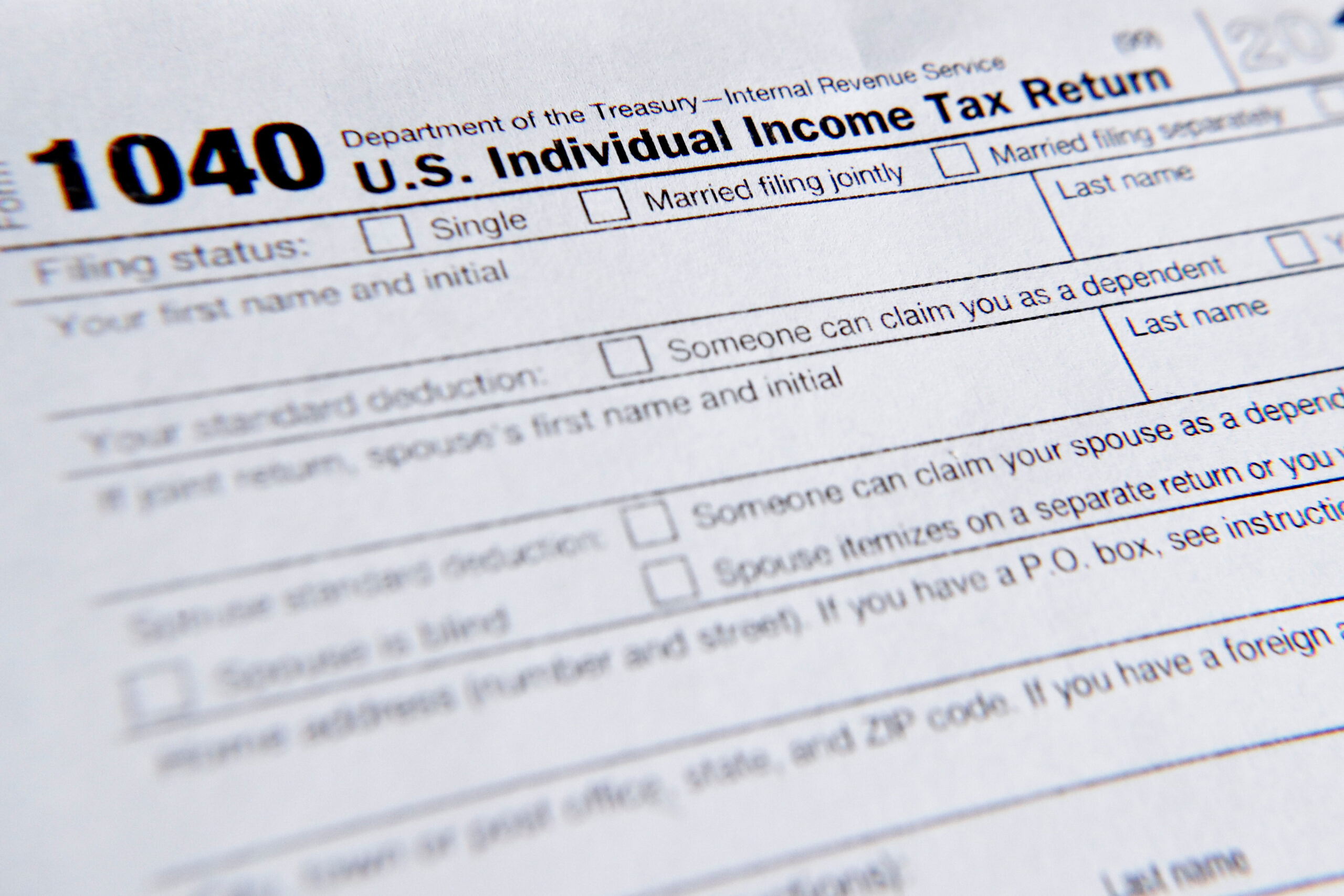
While the government has processed slightly fewer returns than last year (87.5 million versus 88.5 million), the total number of refunds issued has risen by 2.2%, reaching almost 63 million. This suggests a higher proportion of filers are eligible for refunds this year.


A recent survey by Lending Tree reveals how households plan to utilise their refunds. A significant 34% intend to allocate at least a portion towards covering everyday expenses. This is particularly prevalent among lower-income households, millennials, and families with young children, highlighting the ongoing financial pressures faced by these demographics.
"If a refund helps cover necessities without forcing you to run up a credit card balance, fall behind on rent, or juggle bills, that money is doing exactly what it needs to do," experts say.
Patrick Yaghoobians, a certified financial planner, emphasises that for many, monthly income simply isn’t sufficient. "Many people are facing increased financial pressure right now," he notes. Despite this, Yaghoobians advises setting aside even a small percentage of the refund – perhaps 5% – to build momentum towards longer-term financial goals.
Another 34% of respondents plan to use their refund to pay down debt, a strategy widely considered prudent, especially when tackling high-interest credit card debt. Reducing expensive revolving debt lowers future interest payments, frees up monthly budget capacity, and mitigates the risk of financial emergencies spiralling out of control.
Savings are also a priority, with 32% of filers intending to deposit at least a portion of their refund into savings or an emergency fund. Scott Oeth, a CFP, stresses the importance of building a cash buffer, particularly for families with children.
"Any time you’re receiving a lump sum of money, such as a bonus, inheritance, or tax refund, I think it’s important to make a plan for how you want to use those funds, and, importantly, how you should use those funds," Oeth advises. Without a plan, the windfall can easily disappear on impulse purchases. While experts typically recommend saving three to six months’ worth of living expenses, even a modest emergency fund can provide crucial financial security.
For those torn between paying down debt and saving, a split strategy can be effective. Allocating the refund across multiple financial goals offers a balanced approach to managing this financial boost.