Global energy markets remain volatile, leaving motorists grappling with inflated petrol prices amid ongoing geopolitical tensions. Recent figures reveal a sharp rise in fuel costs, impacting household budgets nationwide.
The latest Consumer Price Index (CPI) data highlighted a dramatic 21.2% month-on-month surge in petrol prices during March – the most significant monthly jump since records began in 1967. The average cost of unleaded petrol has soared to $4.118 per gallon, while diesel prices are edging closer to the $6 mark.
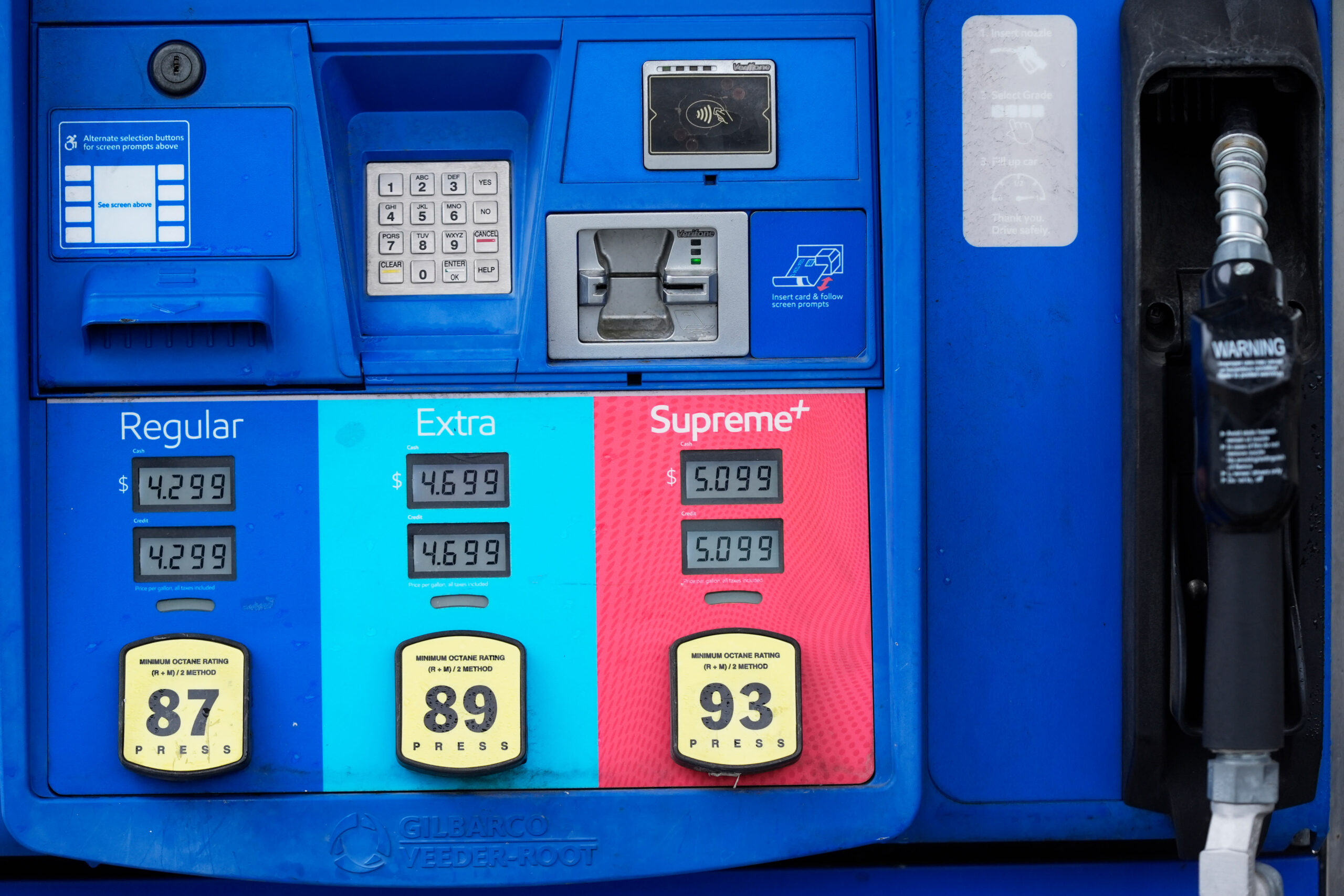
News of a tentative two-week ceasefire initially offered some hope, briefly calming global markets and nudging oil prices down. However, this relief is yet to translate into significant savings at the pumps for everyday drivers. The continued disruption around the Strait of Hormuz, coupled with uncertainty surrounding US-Iran relations, casts a long shadow over the market.


While crude oil prices undoubtedly influence petrol costs, the relationship isn’t always straightforward. Other factors, including refining expenses, logistical bottlenecks in petrol distribution, and retailer profit margins, can all contribute to delays in price reductions following a spike.
"There’s an old saying that pump prices rise like a rocket but fall like a feather, and that still rings true," explains David Doherty, head of natural resources research at BloombergNEF. "It typically takes around three weeks for increases in crude oil prices to be fully reflected in petrol prices, and the reverse can take just as long, as refiners navigate an unpredictable crude oil market."
Doherty warns that any collapse of the ceasefire could trigger another rapid price surge. "Markets are already deeply concerned about developments in the Gulf, and current prices of $95-$100 per barrel reflect a degree of scepticism," he notes. "Without this disruption, we’d expect a fairer value for Brent crude to be closer to $65 per barrel."
As it stands, a definitive resolution to the Middle East conflict remains elusive, hindering efforts to stabilise the oil market.
On April 7th, as the conflict entered its fifth week, former President Trump announced a temporary two-week ceasefire agreement between the US and Iran, demanding the immediate and safe reopening of the Strait of Hormuz.
The announcement sparked a rally in stock markets, with oil prices dipping below $100 per barrel for the first time since the conflict began. However, doubts persist regarding the ceasefire’s durability, particularly as Iran continues to exert control over traffic through the Strait, with reports suggesting tolls are being levied on tankers.
In response, President Trump stated on Truth Social: "They better not be, and if they are, they better stop now."
Ship-tracking data in the days following the ceasefire revealed a significant drop in vessel traffic through the Strait, from over 100 ships per day before the war to just a handful. Furthermore, peace talks in Islamabad concluded without an agreement, and the US military unveiled plans to blockade all Iranian ports – sending oil prices spiralling back above $100 a barrel.
During an interview, President Trump suggested that high petrol prices could persist until the midterm elections.
Maksim Sonin, an energy executive associated with Stanford University’s Center for Fuels of the Future, observes: "Gas prices are currently driven by sentiment rather than fundamentals. The greater the uncertainty, the higher the spike, with crude oil accounting for roughly half of the fluctuation."
"No one is in a hurry to offer the lowest prices," Sonin adds. "Margins tend to widen across the supply chain while the opportunity exists. Some relief may materialise, but it will likely be localised and take weeks, if not months, to fully materialise. And even longer if further instability looms."
Domestically, the government is exploring measures to alleviate the financial strain of high petrol prices.
These include emergency EPA waivers allowing nationwide sales of E15 (petrol blended with 15% ethanol) and removing federal barriers to the sale of E10 (petrol blended with 10% ethanol) across the country. The EPA claims this will safeguard America’s fuel supply by ensuring the availability of E15 and providing consumers with more fuel choices.
Additionally, the Trump administration authorised the release of 172 million barrels of oil from the US Strategic Petroleum Reserve (SPR) in March, joining 32 member countries of the International Energy Agency in a coordinated effort to release a total of 400 million barrels of oil from their emergency reserves to counter the global disruption.
Some states are also implementing fuel tax holidays to help residents reduce their costs.
Experts caution that the situation in the Strait of Hormuz makes it difficult to predict when prices will fall. Patrick De Haan, head of petroleum analysis at GasBuddy, stated, "The current situation has significantly hampered our ability to make accurate forecasts beyond the immediate term. I still believe that things could normalise within three to six months. Our previous 2026 fuel outlook anticipated gas prices falling below $3 later this year. Obviously, the current situation may negate some of that."
On a positive note, De Haan points out that changes in oil prices typically translate to retail prices within a couple of days.
In the meantime, consumers can explore various strategies to save money on fuel.